Fiber’s the Next Big Thing
And no, we don’t mean your grandma’s powder.

Protein had a good run.
It’s still relevant, obviously, but if you are paying attention to where consumer interest is going, fiber is stepping out of its dusty little corner and into a much bigger spotlight.
About time.
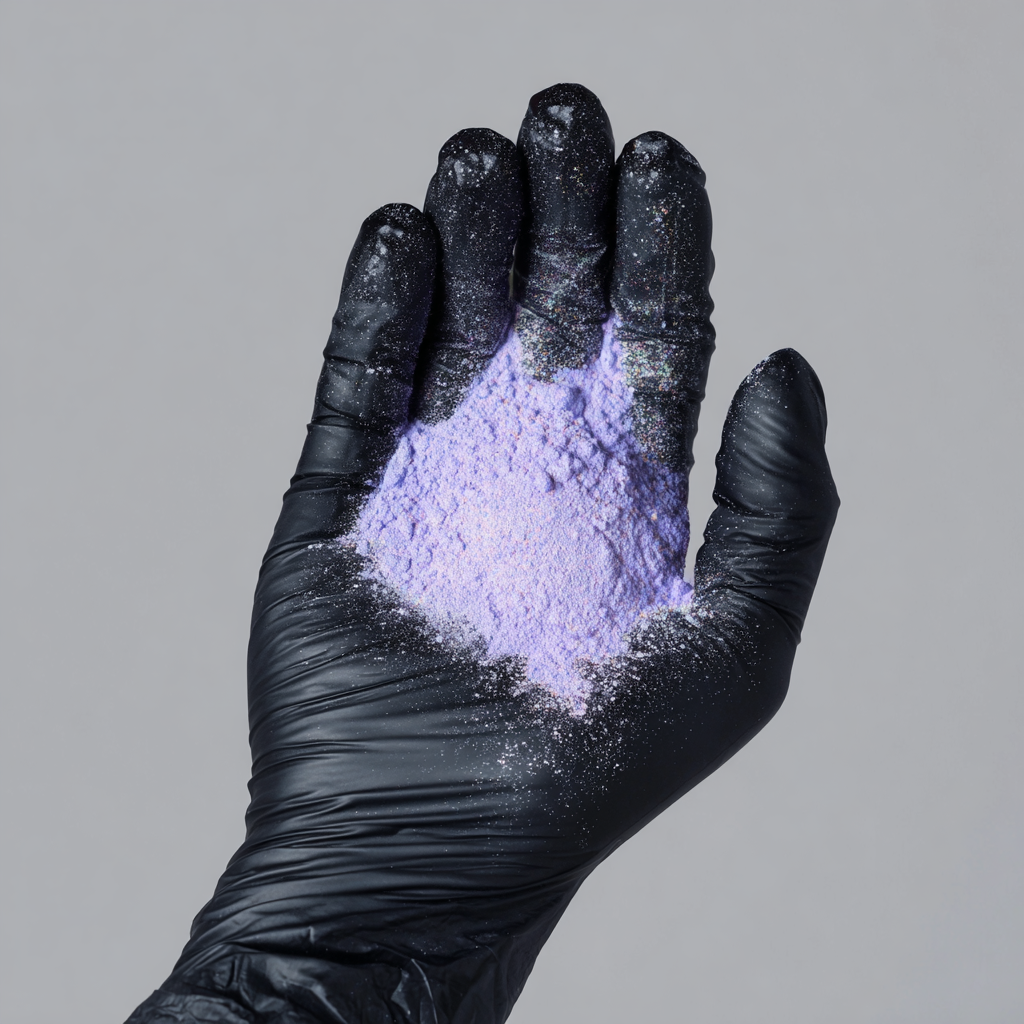
For years, fiber has been marketed like a punishment. Mix this weird powder into water. Chug it before it turns into wallpaper paste. Pray for digestive wellness. Repeat tomorrow.
Not exactly inspiring.
But the fiber conversation is changing, and smart brands should be paying attention. What used to live almost entirely in the “stay regular” category is now being pulled into much broader conversations around gut health, satiety, metabolic wellness, and GLP-1 activation.
Consumers are looking at fiber differently, brands should be too, because this category has a lot more potential than the industry has historically given it credit for.
Fiber Is Not Boring. The Way It’s Been Done Is.
Let’s clear something up. Fiber itself is not the problem. The problem is that a lot of fiber products have been painfully unenjoyable.
Too thick. Too gritty. Too chalky. Too fast-gelling. Too hard to flavor. Too easy to regret.
That might have been acceptable when the bar was lower. It is not acceptable now.
Consumers want products that fit into real life. They want functionality, yes, but they also want a product that tastes good, mixes well, feels modern, and does not make them question their health choice before ingesting.
That means fiber products need to work harder than they used to, and frankly, many older formulations are not up for the job.
Why Fiber Is Suddenly Everywhere
Fiber is becoming a bigger conversation because it sits at the intersection of several things consumers already care about.
Gut health is not going away. Metabolic health is commanding more attention. GLP-1-related interest has brands and consumers looking more closely at ingredients that support satiety and digestive function. At the same time, people are still trying to find realistic ways to improve everyday nutrition without turning their routine into a science project.
Fiber fits.
It’s familiar, it’s versatile, and it supports multiple product angles.
When the right ingredient system is used, it can move beyond the stale legacy experience that has held the category back for years. That is where things start getting interesting.
Why We Like Soluble Tapioca Fiber
One ingredient we especially like working with in this space is soluble tapioca fiber. Why? Because it behaves like a modern ingredient should.
It has strong relevance to today’s biggest functional conversations, including GLP-1 activation, gut health, and broader wellness support. More importantly, it performs well in a finished product, which is where a lot of otherwise good ideas fall apart.
Soluble tapioca flour dissolves clearly into water. It has very little impact on texture and does not demand that the consumer slam it fast before their drink turns into a gloopy mess.
It can actually be sipped like a normal beverage.
That alone puts it ahead of a lot of the old-school fiber experiences consumers are used to.
It also tends to offer better GI tolerability than some other soluble fibers, including certain inulin options that can be rougher on the digestive system. That matters more than brands sometimes want to admit. You can make all the flashy claims you want, but if the product leaves the customer bloated and irritated, congratulations, you made a one-time purchase.
(Psst, that’s not a win.)
Then there is the sensory side. Soluble tapioca flour has a neutral flavor profile, which gives brands much more room to create products that feel current and enjoyable. You can go broad with flavors like tropical punch, lemonade, strawberry, or mixed berry. You can go more elevated with things like yuzu, pomegranate, or POG. The point is, you are not stuck trying to disguise an ingredient that refuses to cooperate.
That makes innovation a whole lot easier.
Consumers Do Not Want Fiber to Feel Like Medicine
This is where many brands still miss it.
The opportunity is not just to put fiber in a product and call it innovation. The opportunity is to create a fiber product that people genuinely want to use. A product that feels easy as well as current. A product that supports the intended health conversation without becoming a chore.
That could be a daily gut health drink or a satiety-support formula. It could be part of a broader metabolic health concept or a functional beverage that feels more lifestyle-driven than clinical.
Fiber has range. Brands should use it.
The second this category stops acting like it belongs in a 1997 powder tub, it becomes much more commercially interesting.
There Is More Than One Way to Build a Smart Fiber Product
We like soluble tapioca flour a lot, but no serious manufacturer should pretend there is only one answer.
We work with a wide range of fibers depending on the product goal, format, sensory needs, and positioning strategy. That includes agave inulin, chicory inulin, acacia fiber, FOS, XOS, IMOs, and more.
Each one brings different formulation characteristics and functional strengths. Some are better suited for certain digestive or prebiotic concepts. Some behave differently in finished formats. Some support a different label story or consumer experience.
That is why fiber development should be intentional.
Not all fibers are interchangeable, not all formulas tolerate the same ingredients the same way, and not all products should chase the same claims just because the market is currently obsessed with a few buzzwords.
The brands that do this well will be the ones that understand the difference between following a trend and building a product that actually deserves shelf space.
What Smart Brands Should Be Asking Right Now
Not: “Should we make a fiber product?”
That is the lazy question.
The better questions are:
What kind of product experience are we trying to create?
What benefit space do we want to credibly own?
What fiber ingredient supports that vision best?
How will this taste, mix, and feel in the consumer’s daily routine?
Will this product feel modern, or will it feel like every other fiber formula people are already tired of?
These are the questions that lead to better product decisions.
Fiber may be gaining momentum, but consumers are not going to reward brands for showing up late with the same uninspired execution. They will reward brands that take a familiar category and make it feel better, smarter, and more aligned with how people want to live today.
Fiber Deserves Better Products. So Does the Market.
Fiber is not the sidekick anymore.
It is becoming one of the more interesting spaces in nutrition, and brands that move now have a real chance to do something meaningful with it. That only happens if the product is developed with more imagination than the category has historically been given.
Better ingredients. Better formulation decisions. Better texture. Better flavor. Better consumer experience.
That is the difference.
At Factory6, we are interested in the version of fiber that feels commercially relevant, technically sound, and actually enjoyable to use. The version that works in modern formats and supports current health conversations without becoming a copycat product. Supplements consumers will come back to because it fits their routine instead of disrupting it.
No one needs another boring fiber drink. They need one that feels like a smart product.
Thinking About Launching a Fiber Product?
Good. So are a lot of brands.
The difference is going to come down to who builds something worth buying ..and buying again.
Factory6 helps brands develop fiber products that do more than check a trend box. We help create products that make sense in the market, perform in formulation, and deliver a better consumer experience from the first use.